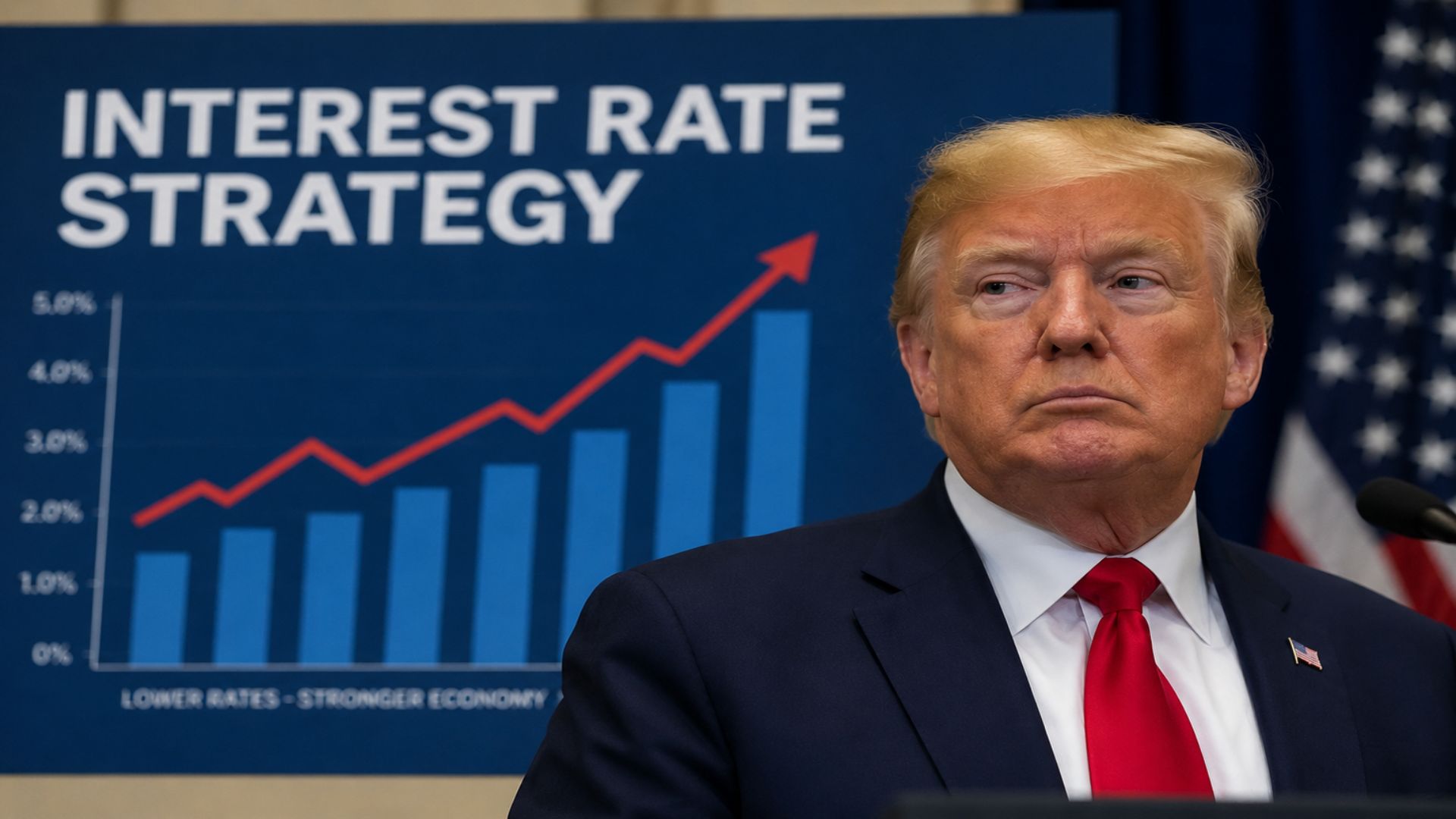

The 2026 Volatility Trap: Why Trump’s Interest Rate Strategy is Rattling Markets
Table of Contents
- The 4 AM Market Jitters
- The Tug-of-War: White House vs. The Fed
- The Inflation Paradox (Tariffs Meet Low Rates)
- Who Wins and Who Loses? (The 2026 Breakdown)
- The Numbers: What the Data Says
- Frequently Asked Questions
The 4 AM Market Jitters
You wake up, grab your coffee, and check your portfolio only to see everything in the red because of a late-night statement from the White House. If you feel like you are flying blind lately, you are not alone. The big reason for this mess is the Trump interest rate strategy 2026, which has basically turned traditional market logic on its head. Usually, we look at the Federal Reserve to see where things are going. Now, we are looking at a mix of political pressure and economic growth goals that do not always play nice together. It is a lot to handle for anyone trying to keep their retirement account steady
The Tug-of-War: White House vs. The Fed
The Fed used to be the most boring part of the news cycle. Honestly, it was just a bunch of people in suits talking about basis points while everyone else fell asleep. But in 2026, that whole vibe has shifted. Now we have this constant power struggle where the White House is basically breathing down the Fed’s neck. It used to be that the Federal Reserve operated in a vacuum (mostly) to keep the dollar stable. Now, the Trump interest rate strategy 2026 is all about aggressive cuts to spark growth, regardless of what the inflation numbers are screaming. This creates a massive headache for you because you don’t know who to listen to. If the Fed Chair says one thing and the President says another five minutes later, the market just starts spinning in circles. It is hard to make a long term plan when the rules of the game change based on a press conference.
When the President publicly calls for a rate cut while inflation is still hovering above that 2% sweet spot, it creates a “Shadow Fed” effect. Investors start wondering who is actually calling the shots. If the Fed gives in, we worry about inflation spiraling. If they resist, we worry about a political showdown that could rattle the bond market. This lack of clarity is exactly why the “uncertainty tax” is so high right now.
The Inflation Paradox (Tariffs Meet Low Rates)
Here is where it gets really messy. The administration is doubling down on tariffs to protect domestic jobs (which usually makes things more expensive for us at the store). At the same time, the Trump interest rate strategy 2026 is pushing for cheaper borrowing.
Usually, those two things do not go together. If you raise the price of imports through tariffs, you usually need higher rates to keep inflation from exploding. By trying to do both, the administration is walking a tightrope. For you and me, this means the “new normal” for inflation might be 3% or 4% instead of the 2% we grew up with. That changes everything from how you pick stocks to what kind of mortgage you can afford.
Who Wins and Who Loses? (The 2026 Breakdown)
Not everyone is crying in their coffee, though. Some sectors love this chaos, while others are just trying to survive.
| Sector | Outlook | Why? |
| Small Caps (Russell 2000) | Positive | They rely on cheap debt to grow. Lower rates are their lifeblood. |
| Gold & Bitcoin | High Volatility | People run here when they don’t trust the dollar or the Fed. |
| Tech Giants | Mixed | They have cash, but high inflation eats into their future earnings. |
| Real Estate | Stagnant | High prices and weird rate signals keep buyers on the Sidelines |
The Numbers: What the Data Says
To give you a better idea of the 2026 landscape, look at how the market sentiment has shifted compared to the “boring” years of the early 2020s.
- Market Volatility Index (VIX): Averaging 22.5 in 2026 (up from a historical average of 18).
- 10-Year Treasury Yield: Swinging by 15 basis points in a single day following White House press briefings.
- Consumer Confidence: Down 8% since the start of the year because people are confused about whether prices are going up or down.
- Small Business Optimism: At a 3-year high (they are betting on those lower rates coming through eventually).
The Independence Crisis
Can the Fed Say No? The biggest question mark hanging over your portfolio right now is whether the Fed is still its own boss. In the past, the Fed Chair could basically ignore the President. In 2026, it is not that simple. There is a lot of talk about new executive orders that could give the White House more “oversight” (which is just a fancy word for control) over rate decisions.
When the world sees the U.S. central bank getting pushed around, they start to worry about the dollar. If you are holding a lot of cash, this is your biggest risk. International investors might start asking for a higher “uncertainty premium” to hold our debt. That means even if the Trump interest rate strategy 2026 succeeds in lowering the official Fed funds rate, your mortgage or car loan rates might stay high because the bond market is spooked.
Your 2026 Playbook: How to Not Lose Your Shirt
You cannot just “set it and forget it” anymore. The old 60/40 portfolio (60% stocks, 40% bonds) is taking a beating because stocks and bonds are moving in the same direction lately.
Instead, a lot of smart money is moving toward short-term “cash-like” investments to stay flexible. You want to be able to move fast if the administration successfully forces a massive rate cut. Also, keep an eye on “political sentiment” data. In 2026, a single social media post from the right person matters more than a 50-page jobs report. It is frustrating, but that is the game we are playing now.
Frequently Asked Questions
Is the U.S. Dollar going to lose its value?
It is unlikely to happen overnight, but the “de-dollarization” chatter is getting louder. If the Fed loses its independence, other countries might look for alternatives. Keeping a bit of your wealth in “hard assets” like gold or even certain commodities is a popular move right now.
Should I wait for rates to drop before buying a home?
That is the million-dollar question. The strategy aims to lower rates, but if inflation stays high because of tariffs, the “real” cost of borrowing might not move as much as you hope. If you find a deal that works for your budget today, waiting for a “political pivot” is a risky gamble.
Why is the stock market so jumpy?
Markets hate a lack of clarity. Right now, we have two different “captains” trying to steer the ship in different directions. Until the Fed and the White House get on the same page, expect the roller coaster to continue.
Is this strategy good for small businesses?
On paper, yes. Small businesses usually carry more floating-rate debt, so lower rates help their bottom line immediately. The catch is whether they can handle the higher costs of goods caused by the trade policies that come with the package.


Latest News